
History / Historia
|
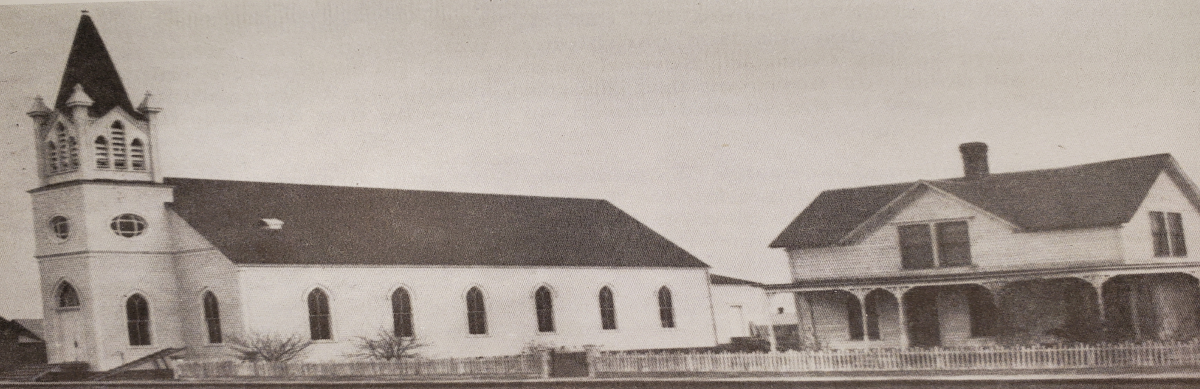
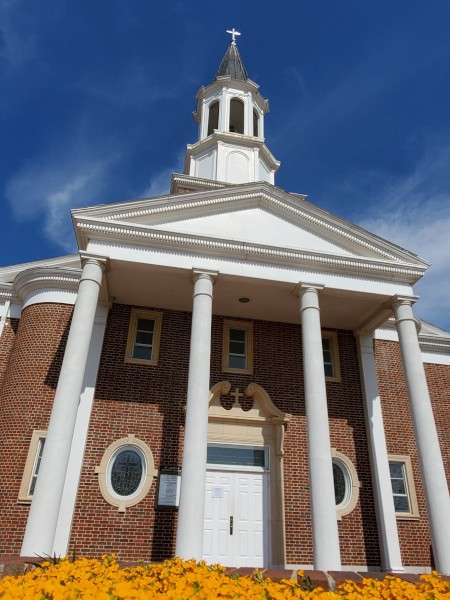
This is my church, not yours. This is Fr. Irwin’s church. This is Fr. Tomas’s church. This church is now the Hispanics’ church. This church belongs to the people who built it. Doesn’t sound right, does it? The reason it does not sound right is because it is not right. In fact, here is some history to prove it. I had a chance to read through our Centennial Book recently, and I was amazed at how obvious it is that God’s Holy Spirit has been with us from the beginning. This Holy Spirit has kept us together in spite of it all. In 1889, Fr. Ignatius Jean, who was one of the first priests to celebrate mass in Cleveland County, found himself in the Purcell Town Square. The reason was the thousands of hopeful settlers who were about to participate in the Land Run. Fr. Jean spoke to them about the need for stable families and the sanctity of marriage, and on the rights of Native Americans. In 1899, ten years later, the initial First Communion class at St. Joseph’s had five children receive this sacrament, four of whom were Native Americans, which means they made up 80 percent of that first class. Cultural diversity has been with us from the very beginning. So have cultural disagreements. The early Catholic community in Norman found itself in a dilemma. There was a sizable group of German settlers who wanted the new church to be called St. Joseph’s and there was another sizeable group of Irish settlers who preferred the name St. Patrick’s. When Bishop Meerschaert came to dedicate the new church in 1898, they still had not decided on a name. So Bishop Meerschaert referred to it as the parish of St. Joseph’s and St. Patrick’s. Even with our current church today, you can see evidence of this argument. In the foyer, you will find two-floor icons: one of clovers, which alludes to St. Patrick, and one of lilies, which alludes to St. Joseph. The first pastor of St. Joseph’s was John Metter. He was a young, energetic priest from the East Coast. He had a knack for raising money. This fundraising ability allowed him to secure needed monies to build St. Joseph’s and other early, metro-area parishes. Fr. Metter did so well that Bishop Meerschaert named him a monsignor, even though he was not yet 30 years old. However, later in his life, things got rough for Monsignor Metter. The Benedictine sisters pulled out of the school. The cause was their increasing difficulty in getting along with Monsignor Metter, whose already lively temper had been worsened by the passing years. The pastor became the focus of a divided parish and complaints about him were sent to the Bishop and even to the Pope. As time continued to pass by, St. Joseph’s was never a stranger to turbulent waters. Fr. Joseph Duffy became pastor in 1960. He said, “The winds of change are everywhere. There are going to be changes in this parish, and you may as well accept it.” Then with dizzying speed, he revamped the choir, began construction of a new church hall, and bought better housing for the sisters. He angered some parents by refusing to preach while children misbehaved in church. He mentioned this only once, pointing out there was a soundproof area near the back of the church for those who could not control their offspring. “Use it,” he said. After that one admonition he never mentioned the subject again, but when a child began acting up, he simply stopped talking, stared and waited. Sometimes the wait seemed an eternity. It was also in the 1960s that St. Joseph’s would begin another difficult period of change with two new Catholic parishes being formed, which would impact the church’s numbers and saw it having to say goodbye to some members. St. Andrew’s in Moore became a new mission of St. Joseph’s in 1962, and the university apostolate formally became a parish in 1966; it is known today as St. Thomas More. The 1960s saw a lot of change at St. Joseph’s but I believe the last twenty years have presented St. Joseph’s with an even bigger period of flux. When I first arrived at St. Joseph’s, I was sitting in the Chapel looking at the altar when I noticed the pelican for the first time. I was shocked and had no idea why a pelican would be there. Someone had to explain the significance to me. In times of great hunger and desperation, the mother pelican will tear off chunks of flesh from its own body to feed its young. The young will also drink dripping blood from the wound. The mother pelican knows what it means to sacrifice itself for those it loves. So, too, does Christ, hence the choice of this image for our altar in the Chapel. Christ sacrificed himself with his own body and we feed off his Body and Blood at the Eucharist each Sunday. I think that the mother pelican image is perfect for St. Joseph’s over the last twenty years. In 1994, St. Joseph’s had 1,000 registered families, 950 of whom were Anglo or non-Hispanic and 50 of whom were of Hispanic origin. But then the winds of change came to St. Joseph’s yet again with three significant events. The next big change came one year later when in 1994, a Spanish mass was started at St. Joseph’s. Once again, the parishioners found themselves being invited to change. Opening its doors to welcome recent immigrants from Mexico and other parts of South and Central America was not an easy thing to do. Change never is. It is human to want things to be the same and to look the same as during our own childhood. With the decision to welcome this immigrant population, that would not be the case. But once again, the mother pelican knows how to sacrifice. St. Joseph’s, the wise mother, knew that to give birth to something new, sacrifice is required. Today, that immigrant community has grown into a vibrant part of St. Joseph’s. Then in 1995, the third major change happened with the moving of All Saints School from St. Joseph’s to St. Mark’s. St. Joseph’s had a very long history of having a school on its grounds. Giving up the school was like another death. With this move came the inevitable departure of families to St. Mark’s so that they could be closer to the school. St. Joseph’s the mother sacrificed from its very self yet again. Today, All Saints is a topnotch Catholic school. We find ourselves twenty five years removed from these events. Despite two decades and a half of change, today St. Joseph still has 1,000 families. However, today 600 are Anglo or non-Hispanic and 400 are of Hispanic origin. God has been faithful. What has kept St. Joseph’s together through more than a century of change and conflict? Of course, the answer is Christ. St. Joseph’s has been finding unity in Christ for 125 years. A long time. It is now our generation’s responsibility to take up this call, to continue this call. Our unity is not found in everyone looking the same, thinking the same, speaking the same language, eating the same food or listening to the same types of music. That is not the unity we seek. No, we are united in Christ. Christ is our glory, Christ is the reason that we have hung together for over 125 years and Christ is the reason why we will still be together today and tomorrow. This is not the Hispanics’ church, this is not the Anglos’ church, this is not Fr. Thomas’s Brannon’s or Fr. Irwin’s church. This is Christ’s Church.
|
Esta es mi iglesia, no la tuya. Esta es la Iglesia de Padre Irwin. Est a es la iglesia del Padre Brannon. Esta iglesia es ahora la iglesia de los hispanos. Esta iglesia pertenece a las personas que la construyeron… No suena bien, ¿verdad? La razón por la que no suena bien es porque no está bien. De hecho, aquí hay algo de historia para demostrarlo. Recientemente tuve la oportunidad de leer nuestro Libro del Centenario y me sorprendió lo obvio que es que el Espíritu Santo de Dios ha estado con nosotros desde el principio. Este Espíritu Santo nos ha mantenido unidos a pesar de todo. En 1889, el Padre Ignatius Jean, quien fue uno de los primeros sacerdotes en celebrar misa en el condado de Cleveland, se encontró en Purcell Town Square. La razón fueron los miles de colonos esperanzados que estaban a punto de participar en Land Run. El Padre Jean les habló sobre la necesidad de familias estables y la santidad del matrimonio, y sobre los derechos de los nativos americanos. En 1899, diez años después, la clase inicial de Primera Comunión en San José tuvo cinco niños que recibieron este sacramento, cuatro de los cuales eran nativos americanos, lo que significa que constituían el 80 por ciento de esa primera clase. La diversidad cultural ha estado con nosotros desde el principio. También los desacuerdos culturales. La primera comunidad católica de Norman se encontró en un dilema. Había un grupo considerable de colonos alemanes que querían que la nueva iglesia se llamara San José y había otro grupo importante de colonos irlandeses que preferían el nombre de San Patricio. Cuando el obispo Meerschaert vino a dedicar la nueva iglesia en 1898, todavía no habían decidido un nombre. Así que el obispo Meerschaert se refirió a ella como la parroquia de San José y San Patricio. Incluso con nuestra iglesia actual, puedes ver evidencia de este argumento. En el vestíbulo, encontrará iconos de dos pisos: uno de tréboles, que alude a San Patricio, y uno de lirios, que alude a San José. El primer pastor de San José fue John Metter. Era un sacerdote joven y enérgico de la costa este. Tenía un don para recaudar dinero. Esta capacidad de recaudación de fondos le permitió asegurar el dinero necesario para construir San José y otras parroquias tempranas del área metropolitana. El Padre Metter lo hizo tan bien que el obispo Meerschaert lo nombró monseñor, a pesar de que aún no tenía 30 años. Sin embargo, más adelante en su vida, las cosas se pusieron difíciles para monseñor Metter. Las hermanas benedictinas se retiraron de la escuela. La causa era su creciente dificultad para llevarse bien con monseñor Metter, cuyo temperamento ya animado se había agravado con el paso de los años. El párroco se convirtió en el centro de una parroquia dividida y las quejas sobre él se enviaron al obispo e incluso al Papa. A medida que pasaba el tiempo, San José nunca fue ajeno a las aguas turbulentas. El Padre Joseph Duffy se convirtió en pastor en 1960. Dijo: “Los vientos de cambio están en todas partes. Habrá cambios en esta parroquia, y es mejor que lo aceptes". Luego, con una velocidad vertiginosa, renovó el coro, comenzó la construcción de un nuevo salón de la iglesia y compró mejores viviendas para las hermanas. Enfureció a algunos padres al negarse a predicar mientras los niños se portaban mal en la iglesia. Mencionó esto solo una vez, señalando que había un área insonorizada cerca de la parte trasera de la iglesia para aquellos que no podían controlar a su descendencia. "Úselo", dijo. Después de esa única advertencia, nunca volvió a mencionar el tema, pero cuando un niño comenzaba a comportarse mal, simplemente dejaba de hablar, miraba fijamente y esperaba. A veces, la espera parecía una eternidad. También fue en la década de 1960 que San José comenzaría otro período difícil de cambio con la formación de dos nuevas parroquias católicas, lo que afectaría el número de feligreses de la iglesia, que tuvo que despedirse de algunos miembros. St. Andrew's en Moore se convirtió en una nueva misión de San José en 1962, y el apostolado universitario se convirtió formalmente en parroquia en 1966; hoy se conoce como Santo Tomás Moro. La década de 1960 vio muchos cambios en San José, pero creo que los últimos veinticinco años han presentado a San José un período de cambio aún mayor. Cuando llegué por primera vez a San José, estaba sentado en la Capilla mirando el altar cuando me fijé en el pelícano por primera vez. Me sorprendió y no tenía idea de por qué habría un pelícano allí. Alguien tuvo que explicarme el significado. En momentos de gran hambre y desesperación, la madre pelícano arrancará trozos de carne de su propio cuerpo para alimentar a sus crías. Los jóvenes también beberán sangre que gotea de la herida. La madre pelícano sabe lo que significa sacrificarse por sus seres queridos. También Cristo, de ahí la elección de esta imagen para nuestro altar en la Capilla. Cristo se sacrificó a sí mismo con su propio cuerpo y nosotros nos alimentamos de su Cuerpo y Sangre en la Eucaristía cada domingo. Creo que la imagen de la madre pelícano es perfecta para San José durante los últimos veinticinco años. En 1994, San José tenía 1,000 familias registradas, 950 de las cuales eran anglosajonas o no hispanas y 50 de las cuales eran de origen hispano. Pero luego los vientos de cambio llegaron una vez más con tres eventos importantes. Primero, en 1993, se fundó una nueva parroquia católica en Norman llamada St. Mark's. San José vio un número significativo de su propia transferencia a St. Mark's como miembros fundadores. Este fue el diseño desde el principio, pero no facilitó las cosas a los que se quedaron en San José y tuvieron que llorar la pérdida de sus compañeros feligreses. Una madre pelícano sabe cómo sacrificarse por algo significativo: San José es esa madre pelícano. Siendo la iglesia más antigua de toda esta región, San José pudo sacrificarse por el bien común y hoy St. Mark's es una comunidad católica vibrante. El siguiente gran cambio se produjo un año después, cuando en 1994 se inició una misa en español. Una vez más, los feligreses se vieron invitados a cambiar. Abrir sus puertas para recibir a inmigrantes recientes de México y otras partes de América del Sur y Central no fue algo fácil de hacer. El cambio nunca lo es. Es humano querer que las cosas sean iguales y que se vean igual que durante nuestra propia infancia. Con la decisión de acoger a esta población inmigrante, ese no sería el caso. Pero una vez más, la madre pelícano sabe sacrificarse. San José, la madre sabia, entendió que para dar a luz algo nuevo, se requiere sacrificio. Hoy, esa comunidad de inmigrantes se ha convertido en una parte vibrante de San José. Luego, en 1995, se produjo el tercer cambio importante con el traslado de All Saints School de San José a St. Mark's. San José tenía una larga historia de tener una escuela en sus terrenos. Renunciar a la escuela fue como una muerte más. Con este movimiento vino la inevitable partida de las familias a St. Mark's para que pudieran estar más cerca de la escuela. La madre San José se sacrificó de sí misma una vez más. Hoy, All Saints es una escuela católica de primer nivel. Nos encontramos a veintinco años de estos eventos. A pesar de dos décadas y media de cambios, hoy San José todavía tiene 1,000 familias. Sin embargo, hoy 600 son anglosajones o no hispanos y 400 son de origen hispano. Dios ha sido fiel. ¿Qué ha mantenido unido a San José durante más de un siglo de cambios y conflictos? Por supuesto, la respuesta es Cristo. San José ha encontrado la unidad en Cristo durante 125 años. Mucho tiempo. Ahora es responsabilidad de nuestra generación aceptar este llamamiento, continuar este llamamiento. Nuestra unidad no se encuentra en que todos se vean iguales, piensen lo mismo, hablen el mismo idioma, coman la misma comida o escuchen el mismo tipo de música. Esa no es la unidad que buscamos. No, estamos unidos en Cristo. Cristo es nuestra gloria, Cristo es la razón por la que hemos estado juntos durante más de 125 años y Cristo es la razón por la que todavía estaremos juntos hoy y mañana. Esta no es la iglesia de los hispanos, esta no es la iglesia de los anglos, no es del Padre Brannon o del Padre Irwin. Esta es la Iglesia de Cristo. |
 |
 |
 |
 |
Chapel / Capilla
|
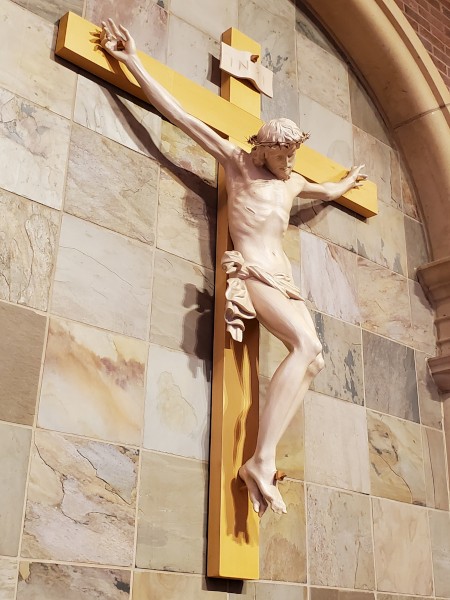
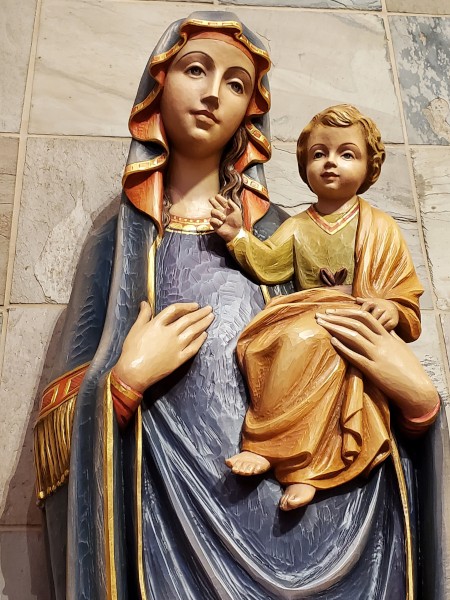
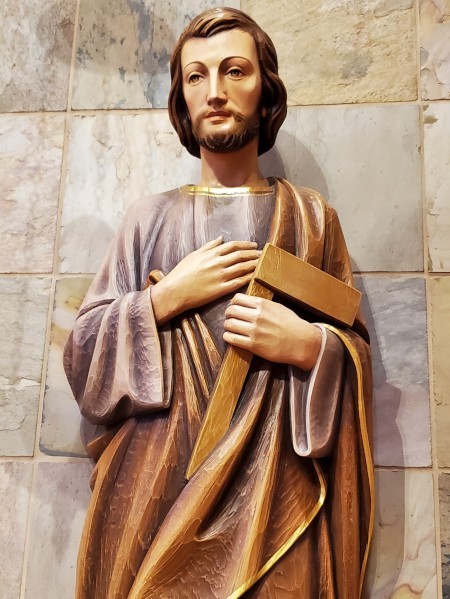
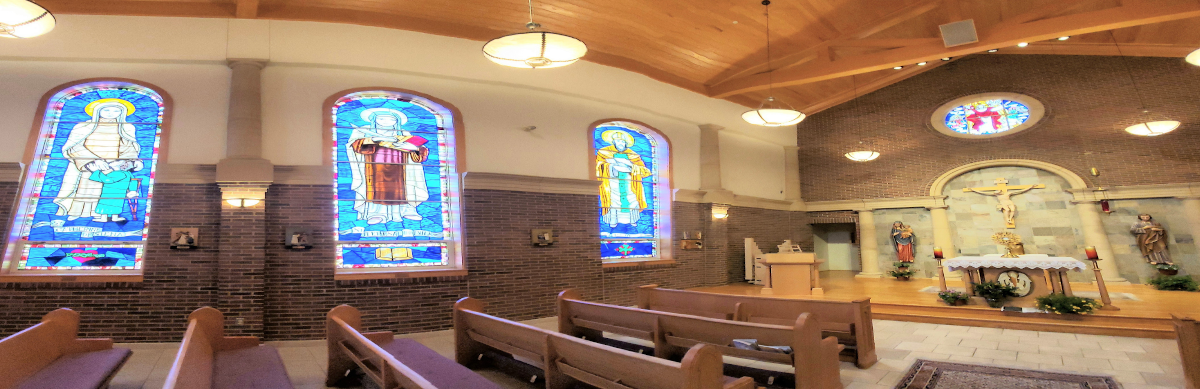
The Chapel at St. Joseph mirrors the very purpose of our parish where we are building a Culture of Discipleship that celebrates Diversity. Using materials and artisans from around the world the chapel creates a space unified by light. The high round window above the altar draws our gaze upward to Jesus Christ, who is the Source of Light, as he invites us into this sacred space. Mary, Queen of Heaven, looks down upon us from high on the back wall. The large stained-glass windows, made by thirdgeneration Italian artisans in Illinois, are antique handblown glass. Moving through images of four saints - St. Catherine of Siena, St. Teresa of Avila, St. Patrick and St. Peter - they bring a subtle light into the chapel. Our Lady of Guadalupe, the Patroness of the Americas, whose miraculous appearance in Mexico brought millions to follow Jesus, gazes over worshipers from a painting on the back wall. The altar figures of Mary and Joseph as well as the Crucifix were carved from linden wood by artisans of northern Italy. The pelican symbolizes Christ sacrificing himself for us as the image on the altar. This bas relief sculpture, along with those of the Four Evangelists next to the ambo and the Stations of the Cross on the side walls, demonstrates again the many influences intrinsic to the chapel. Come into this chapel with an open heart and open mind, letting the Light of Christ enter and transform you as you worship in this space consecrated by the prayers of the parish community. |
La Capilla de San José refleja el propósito de nuestra parroquia donde estamos construyendo una Cultura de Discipulado que celebra la Diversidad. Utilizando materiales y artesanos de todo el mundo, la capilla crea un espacio unificado por la luz. La alta ventana redonda sobre el altar atrae nuestra mirada hacia Jesucristo, quien es la Fuente de la Luz, mientras nos invita a entrar en este espacio sagrado. María, Reina del Cielo, nos mira desde lo alto de la pared del fondo. Las grandes vidrieras, hechas por artesanos italianos de tercera generación en Illinois, son vidrios antiguos soplados a mano. Moviéndose a través de imágenes de cuatro santos, Santa Catalina de Siena, Santa Teresa de Ávila, San Patricio y San Pedro, traen una luz sutil a la capilla. Nuestra Señora de Guadalupe, la Patrona de las Américas, cuya milagrosa aparición en México hizo que millones de personas siguieran a Jesús, observa a los adoradores desde una pintura en la pared del fondo. Las figuras del altar de María y José, así como el Crucifijo, fueron talladas en madera de tilo por artesanos del norte de Italia. El pelícano simboliza a Cristo sacrificándose por nosotros como imagen en el altar. Esta escultura en bajorrelieve, junto con las de los Cuatro Evangelistas junto al ambón y las Estaciones de la Cruz en las paredes laterales, demuestra una vez más las múltiples influencias intrínsecas a la capilla. Entra en esta capilla con el corazón y la mente abiertos, dejando que la Luz de Cristo entre y te transforme mientras adoras en este espacio consagrado por las oraciones de la comunidad parroquial. |